kaybin
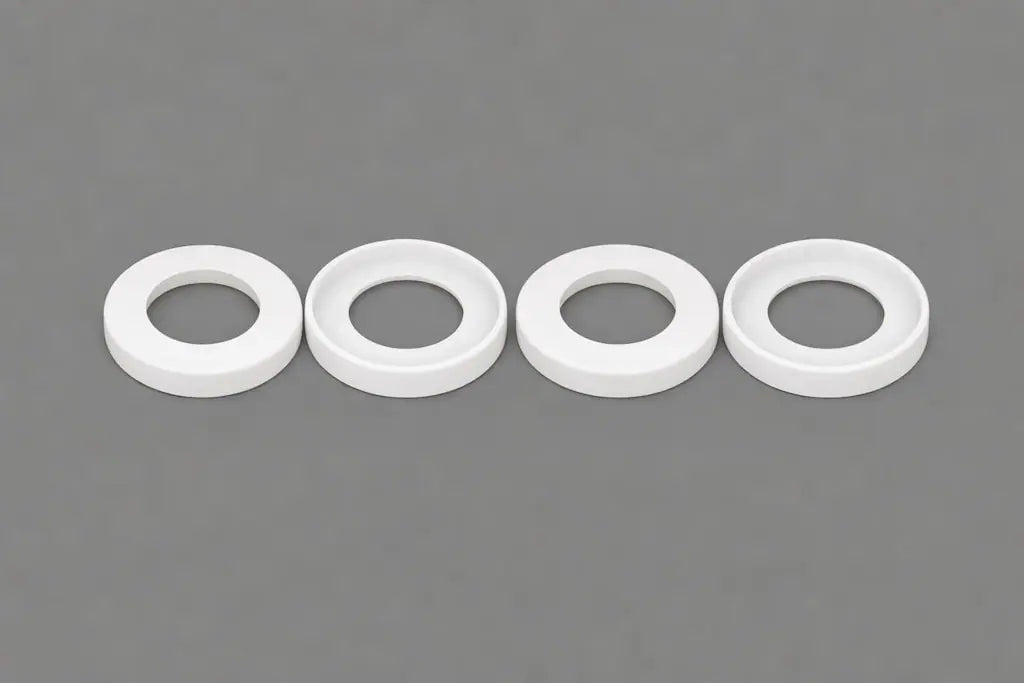
Plastic Cup Seals (Hydraulic & Pneumatic Rod & Piston Seals)
Plastic Cup Seals (Hydraulic & Pneumatic Rod & Piston Seals)
Or email us directly at info@kaybin.co.za with the product name and quantity.
Plastic Cup Seals for Hydraulic & Pneumatic Cylinders
Kaybin manufactures custom plastic cup seals for hydraulic and pneumatic cylinder applications where reliable dynamic sealing under pressure is required. These seals are used in reciprocating rod and piston systems and are machined or moulded to suit specific groove dimensions, extrusion gaps, and operating conditions.
This page covers plastic cup seals only — not chevron packing, O-rings, or rotary shaft seals.
What Is a Plastic Cup Seal?
A cup seal (also referred to as a U-type dynamic seal) is a pressure-activated sealing element used in reciprocating hydraulic and pneumatic systems. The lip geometry expands under pressure, increasing sealing force against the rod or bore surface.
Plastic cup seals are typically manufactured from polyurethane (PU) or PTFE-based materials depending on pressure, friction requirements, and media compatibility.
Applications
- Hydraulic cylinder rod sealing
- Piston sealing in single-acting systems
- Pneumatic cylinder air sealing
- Industrial actuators
- Mobile hydraulics
- Mining and heavy-duty hydraulic equipment
Rod vs Piston Configuration
Rod Cup Seals
Installed in the gland to prevent external leakage. Pressure acts from one direction.
Piston Cup Seals
Used to separate pressure chambers within the cylinder. Can be configured for single-acting or double-acting duty depending on system design.
Material Options
Polyurethane (PU)
- High wear resistance
- Strong extrusion resistance
- Common for hydraulic oil duty
- Suitable for higher shock and side-load conditions
PTFE (Virgin or Filled)
- Low friction performance
- Chemical resistance advantages
- Suitable where reduced stick-slip is required
- Often supported with energizers or backup rings
Material selection depends on pressure, extrusion gap, temperature, fluid compatibility, rod speed, and surface finish.
Groove & Hardware Interface Considerations
Correct cup seal performance depends heavily on groove dimensions and hardware condition. Key factors include:
- Groove width and depth
- Extrusion gap clearance
- Rod/bore diameter tolerance
- Surface finish (Ra value)
- Presence of backup rings (where required)
Incorrect groove geometry or excessive clearance can lead to extrusion, lip rollover, or premature failure.
Common Failure Modes
- Seal extrusion into clearance gap
- Lip inversion or rolling
- Blow-by leakage
- Hardening due to temperature
- Swelling from incompatible fluid
- Abrasive scoring damage
- Seal twisting during installation
Proper material and groove selection significantly reduces these failure risks.
Pressure & Duty Segmentation
Plastic cup seals are typically selected for:
- Low to medium pressure pneumatic systems
- Medium to high pressure hydraulic systems (design dependent)
- Single-acting applications
- Reciprocating motion systems
Exact pressure capability depends on material hardness, clearance gap, and support ring configuration.
Replacement & Reverse Engineering
Kaybin supports:
- Hydraulic cup seal replacement
- Pneumatic cup seal replacement
- OEM seal replication
- Groove dimension matching
- Material upgrades for improved service life
Samples or dimensioned drawings can be used to reverse-engineer discontinued or obsolete seal profiles.
Engineering Details Required
- Rod or bore diameter
- Groove width and depth
- Working pressure and temperature
- Fluid/media type
- Stroke length and speed
- Single or double-acting configuration
- Existing material (if replacement)
Industrial plastic cup seals manufactured and supplied across South Africa and Africa.
Share