kaybin
Industrial Sight Glass Assemblies & Inspection Windows
Industrial Sight Glass Assemblies & Inspection Windows
Or email us directly at info@kaybin.co.za with the product name and quantity.
Industrial Sight Glass Assemblies & Inspection Windows
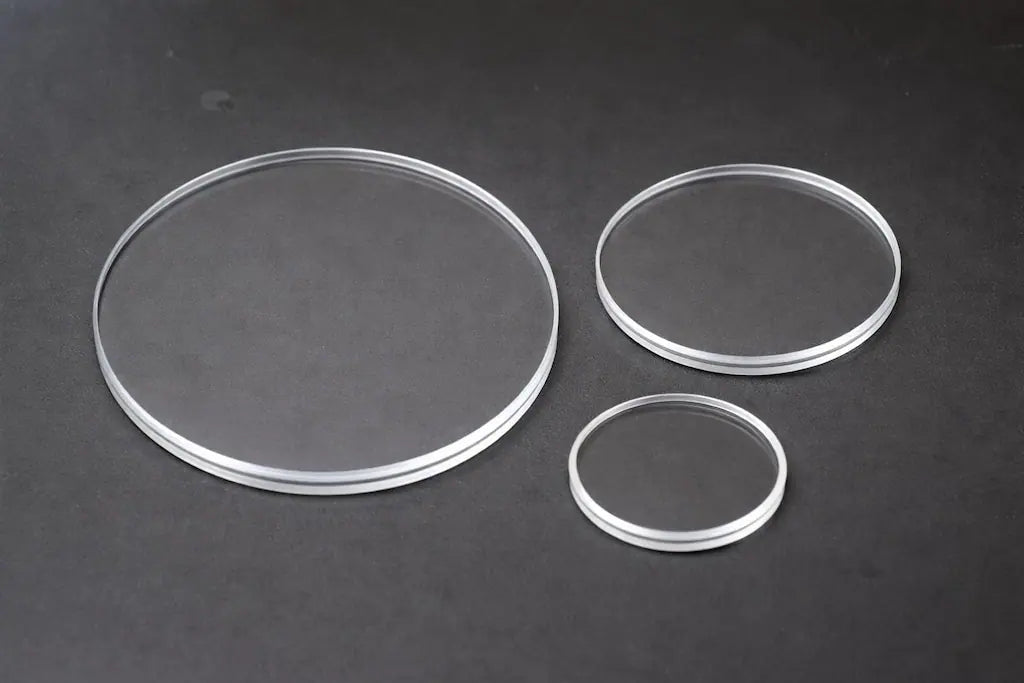
Kaybin manufactures custom sight glass assemblies, inspection windows and process viewing ports for tanks, gearboxes, reservoirs and pipelines where visual monitoring is required without opening the system. Each assembly is produced to drawing or sample and configured with appropriate window material, sealing elements and mounting design to maintain leak-free containment in industrial and OEM equipment across South Africa and Africa.
This page covers industrial sight glass assemblies and inspection components only — not architectural glazing, automotive accessories or consumer products.
Typical Applications
- Tank sight glass windows
- Gearbox oil level inspection windows
- Hydraulic reservoir viewing ports
- Inline flow sight glass units
- Pipeline inspection windows
- Chemical tank viewing ports
- Process vessel inspection assemblies
- Replacement oil level sight glass units
Sight Glass Configurations
- Flange-Mounted Assemblies – Bolt-on inspection windows compatible with industrial flange systems (ANSI / DIN / PN reviewed per application).
- Inline Flow Sight Glass – Pipeline-installed viewing units for confirming product flow or turbulence.
- Threaded Sight Plug – Compact oil level indicator windows for gearboxes and lubrication systems.
- Bolt-On Tank Window – Circular or rectangular viewing ports for static level monitoring.
- Custom Inspection Windows – Non-standard geometries, bolt patterns or large-diameter viewing assemblies.
Window Materials
- Polycarbonate – High impact resistance; UV-stabilised grades available for outdoor exposure.
- Acrylic (Perspex® type) – High optical clarity for clear fluid visibility.
- Glass-Compatible Designs – Where borosilicate or tempered glass is specified by the application.
Sealing & Mounting Options
- NBR, EPDM or FKM gaskets (media dependent)
- PTFE or polymer retaining rings
- Flanged clamp frames
- Threaded housings
- Bolt-on mounting with defined gasket compression
Pressure & Thickness Design Considerations
Sight glass thickness and mounting design are reviewed based on:
- Viewing diameter
- Bolt spacing and clamping force
- Gasket compression
- Pressure differential across the window
- Thermal expansion differences between housing and window material
- Impact risk and UV exposure
No fixed pressure ratings are assumed without full engineering review.
Glass vs Polymer Viewing Windows
Polymer Windows: Lower weight, high impact resistance (polycarbonate variants), reduced shatter risk and easier custom machining.
Glass Windows: Good chemical resistance and dimensional stability at higher temperatures but brittle under mechanical shock.
Material selection depends on pressure class, chemical exposure, temperature and impact conditions.
Common Failure & Replacement Indicators
- Window cracking due to over-tightening
- Chemical-induced crazing or discolouration
- Seal leakage at flange interface
- UV degradation over time
- Oil level window distortion under pressure
- Incorrect replacement unit mismatch
Proper thickness selection, gasket compatibility and bolt torque control reduce these risks.
Engineering Details Required
- Application type (tank, gearbox, pipeline, process vessel)
- Viewing diameter or window dimensions
- Mounting type (flange, bolt-on, threaded)
- Bolt circle or thread specification
- Operating pressure and temperature
- Media type and chemical exposure
- UV or impact exposure conditions
- Replacement reference or sample (if applicable)
Kaybin reviews window material, thickness, seal configuration and mounting arrangement before manufacture to ensure reliable industrial performance across South Africa and Africa.
Share